
Hello, this is Respect Plastic Surgery. :)
You may have often heard about achieving a “refined and elegant nose” through surgery.
Today, we’ll explain what materials are used in rhinoplasty and what makes a truly refined nose. :D
Types of Autologous Tissues
Autologous rib cartilage, donated rib cartilage, ear cartilage, septal cartilage, and dermal fat are among the most common materials used.
▶ Autologous Rib Cartilage
Offers strong structural support and is ideal for revision rhinoplasty or cases requiring more cartilage.
Because it uses your own tissue, it has a low risk of absorption or infection, though a small incision on the chest is necessary.
▶ Donated Rib Cartilage
Sourced from human donors and used mainly for tip or revision rhinoplasty.
It goes through strict sterilization and immune-processing steps to ensure safety.
▶ Ear Cartilage
Harvested from behind the ear and used for nasal tip refinement.
Provides a natural look and feel with minimal foreign sensation.
▶ Septal Cartilage
Taken from the center of the nose, often used to support the nasal bridge or straighten a deviated nose.
▶ Dermal Fat Graft
Harvested from areas such as the hips, then grafted to the nose to enhance height and shape.
What Is Autologous Rib Cartilage?
“Autologous” means “self,” and “rib cartilage” refers to the cartilage taken from your own rib — hence, autologous rib cartilage.
In modern rhinoplasty, synthetic materials have largely been replaced by biological tissues.
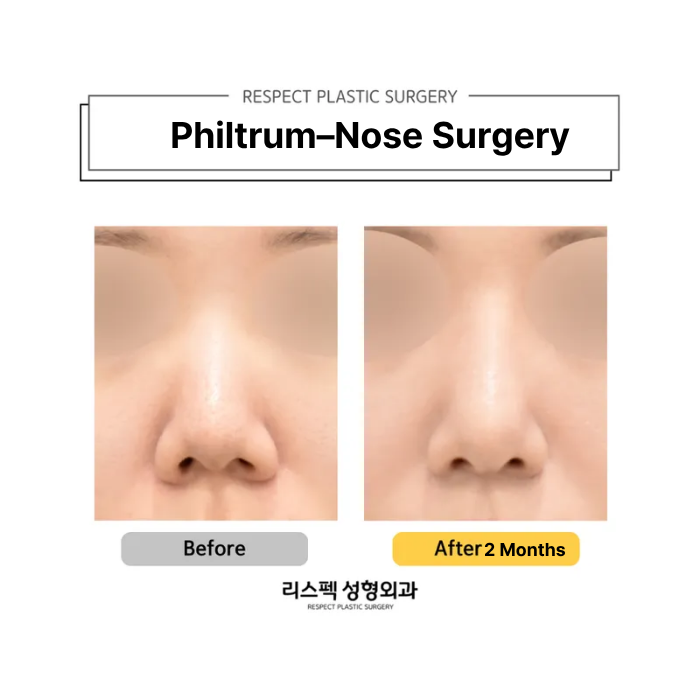
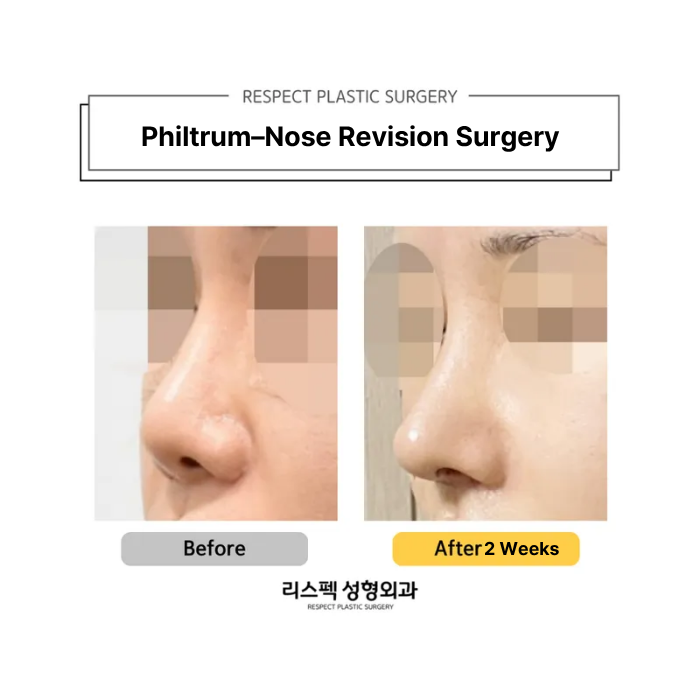
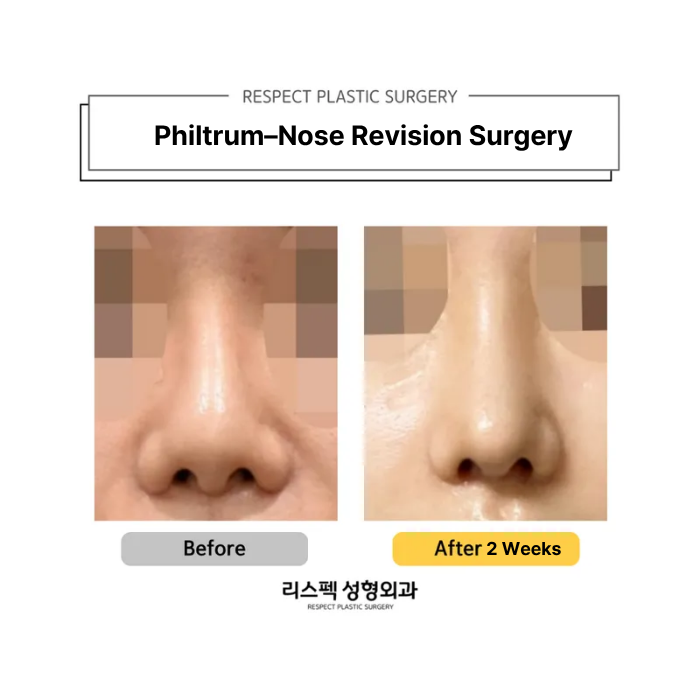
Autologous rib cartilage is often used to build or raise the nasal tip, depending on the patient’s needs.
Where Is Rib Cartilage Collected From?
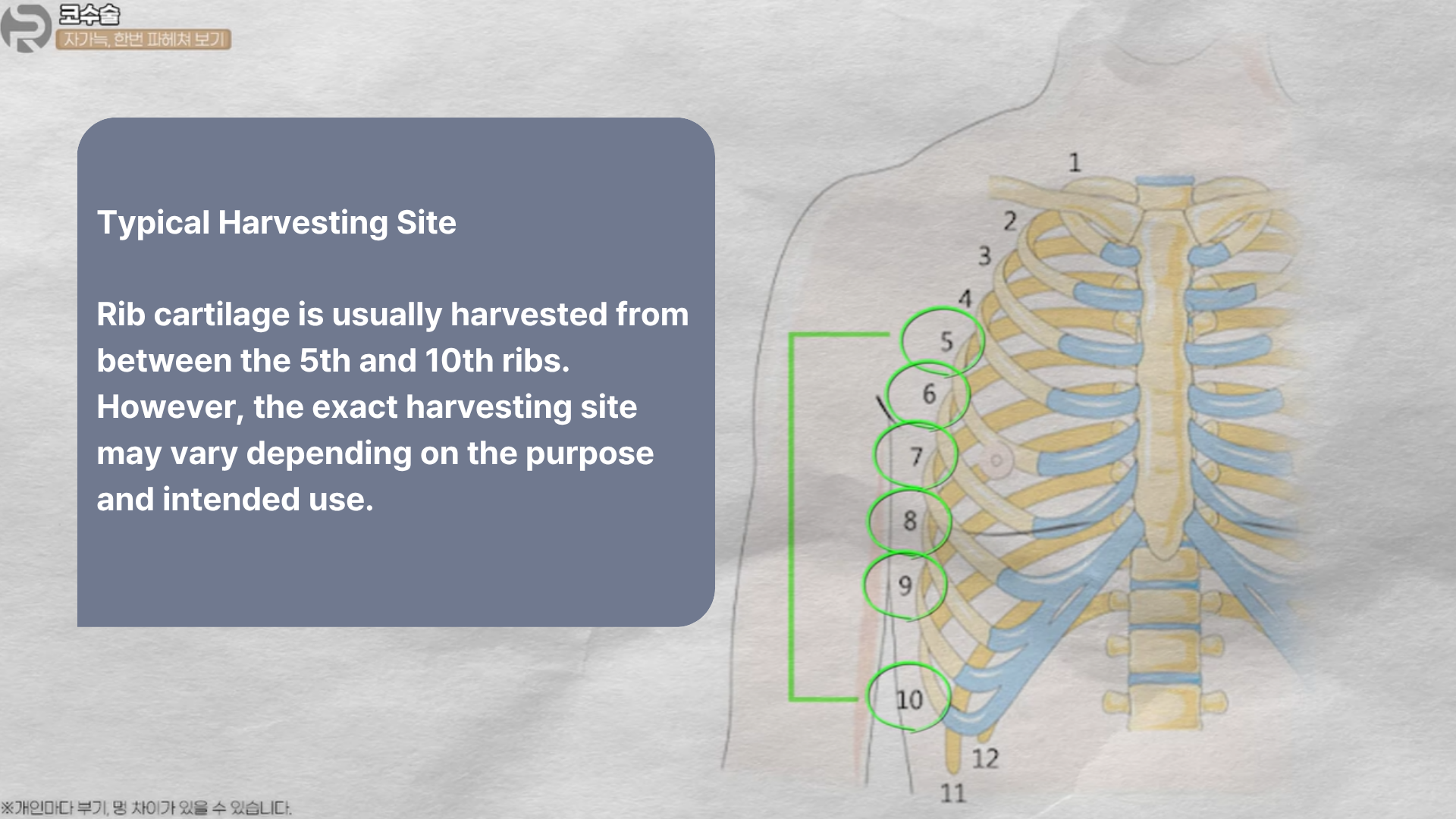
Typically, cartilage is harvested from the 5th to 10th ribs.
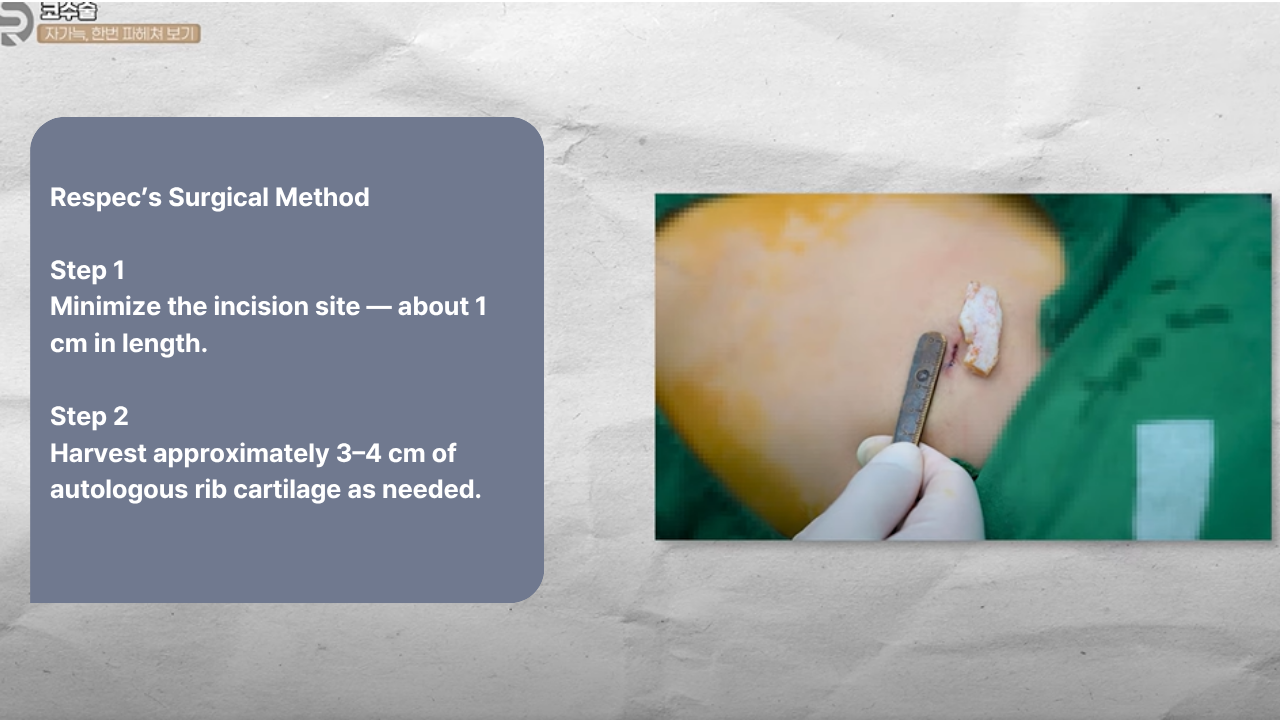
When only a small amount is needed for the nasal tip, about 1 cm wide and 3 cm long cartilage is taken.
Usually, the 8th or 9th rib is the most common donor site, but this varies depending on each patient’s anatomy.
How Noticeable Is the Scar?
The incision is usually around 3 cm below the chest line.
The scar’s visibility depends on the incision site and suturing technique.
Stitches are typically removed about 7 days after surgery.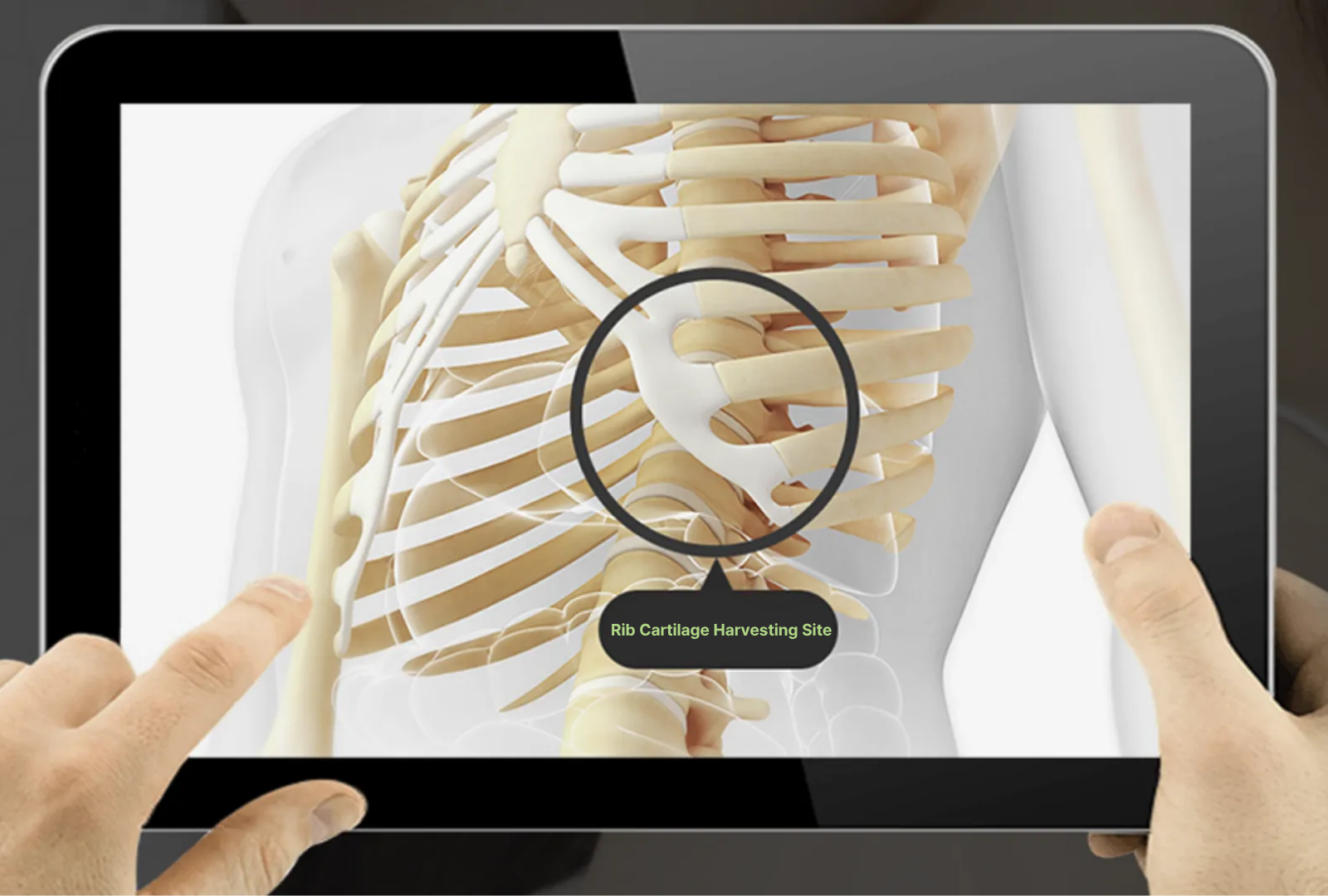
How Noticeable Is the Scar?
The incision is usually around 3 cm below the chest line.
The scar’s visibility depends on the incision site and suturing technique.
Stitches are typically removed about 7 days after surgery.
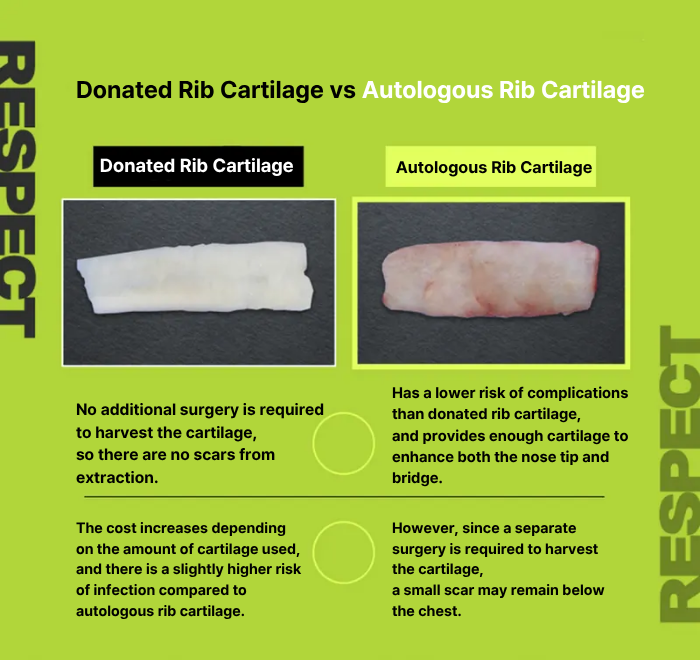
Autologous vs. Donated Rib Cartilage
Autologous Rib Cartilage
Strong and durable.
Provides abundant material.
Resistant to infection and inflammation since it’s your own tissue.
Ultimately, autologous rib cartilage is still your own tissue, simply relocated.
It poses no immune rejection risk and integrates quickly with your body.
“Engraftment” refers to the process of the graft integrating and attaching to surrounding tissue.
At Respect Plastic Surgery
▣ Detailed pre-surgical analysis and customized design
▣ Strict daily surgery limit for focused, safe procedures
▣ 1:1 care from consultation to aftercare by board-certified plastic surgeons
▣ Full-time anesthesiology specialist on site


